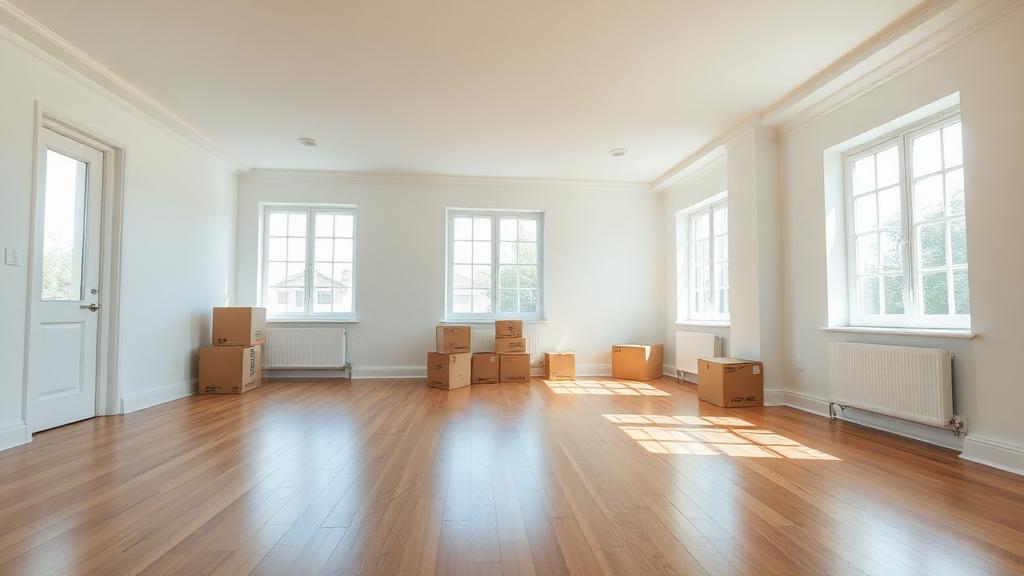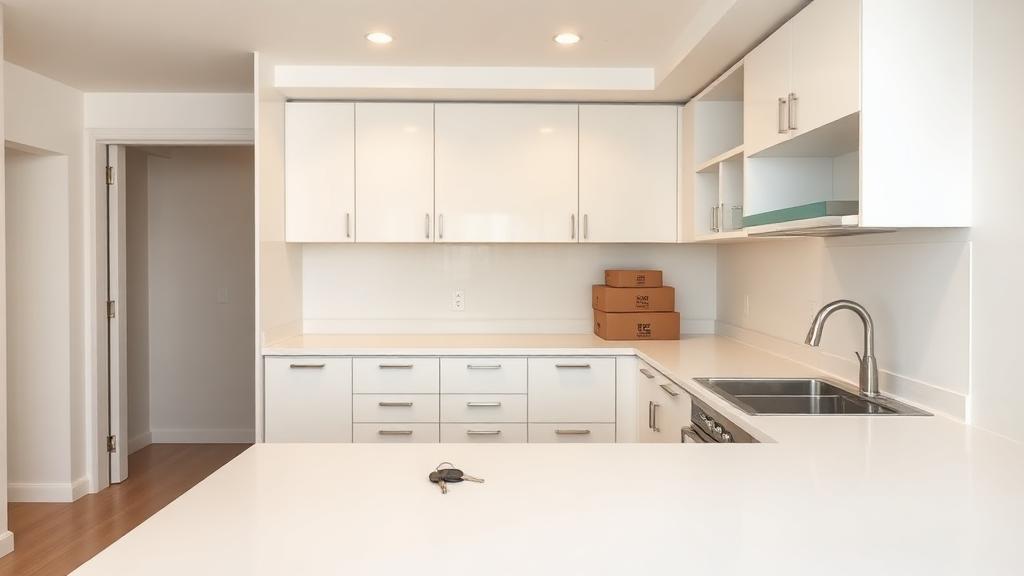
End-of-lease deductions are surprisingly predictable. Landlords check the same handful of items, in the same order, and the deductions cluster around the same dollar ranges. This guide is what an experienced property inspector sees — the deduction triggers, the dollar amounts, the protections most renters do not know they have, and the strategy that recovers the maximum deposit.
The five things that drive 80% of deductions
In rough order of frequency:
- Oven interior — $75–$150 deduction, almost universally checked
- Bathroom grout, tub, behind toilet — $50–$200, especially if the property has lots of "before" photos
- Carpet stains and traffic-lane wear — $100–$500, often requires professional extraction receipt to dispute
- Wall marks and scuffs — $50–$300, depending on whether they require repainting or just cleaning
- Refrigerator interior, gaskets, drip pan — $50–$100
A second tier worth knowing about:
- Window tracks — $25–$75
- Range hood and filter — $30–$75
- Dishwasher filter and gasket — $25–$50
- Baseboards, especially in kitchens and bathrooms — $50–$150
- Ceiling-fan blade dust — $25–$50
Hit the top five. Bonus points for the second tier. That alone returns 90%+ of the deposit on most jobs.
What landlords actually check, by room
| Room | Specifically | |------|--------------| | Kitchen | Oven inside, fridge inside + gaskets, microwave, dishwasher filter, range hood, cabinet interiors, counters, sink, floor edges | | Bathroom | Toilet inside + behind, grout, hard-water on faucets, shower glass, exhaust fan, caulk, floor under fixtures | | Bedrooms | Walls + scuffs, carpet + traffic lanes, closet interiors, window glass + tracks, ceiling-fan dust | | Living areas | Floor edges and baseboards, windows + tracks, light fixtures, electrical outlets and switch plates, fireplace if applicable | | Entry / exit | Door interior + frames, locks operational, threshold, entry-area floor |
If a property has a "Move-In Condition Report" from your first day, the inspector compares specifically against that document.
The full end-of-lease checklist
Kitchen
- [ ] Inside the oven — racks, walls, door glass, broiler pan
- [ ] Stovetop, grates, drip pans
- [ ] Range hood and filter (dishwasher the metal filter)
- [ ] Inside the refrigerator — shelves, drawers, gaskets, drip pan, top of the unit, coils
- [ ] Inside the microwave
- [ ] Dishwasher filter and gasket; empty hot cycle with vinegar
- [ ] All cabinet fronts and interiors (every cabinet, empty)
- [ ] Every drawer (empty + wipe)
- [ ] Sink scrubbed, faucet polished
- [ ] Countertops
- [ ] Backsplash and grout lines
- [ ] Floor including baseboards and under toe-kick
Bathrooms
- [ ] Toilet — inside, outside, behind, base
- [ ] Tub/shower — descaled; grout scrubbed and whitened
- [ ] Shower door or curtain rod
- [ ] Vanity, sink, faucet
- [ ] Mirror — streak-free
- [ ] Inside cabinets / medicine chest
- [ ] Exhaust fan cover (remove, vacuum, wash)
- [ ] Floor including behind the toilet
- [ ] Caulk inspected; note degraded caulk to landlord (replacement is their problem, not yours)
Bedrooms
- [ ] Walls — remove scuffs (Magic Eraser carefully on flat paint)
- [ ] Patch small nail holes (toothpaste or spackle)
- [ ] Vacuum carpet thoroughly, including traffic lanes
- [ ] Closet — empty, shelves wiped, floor cleaned
- [ ] Windowsill, glass, and track
- [ ] Blinds dusted then wiped
- [ ] Ceiling fan blades + light fixture
- [ ] Switch plates and outlet covers
- [ ] Baseboards
Living areas
- [ ] Walls and corners
- [ ] All hard floors mopped to the wall edges
- [ ] Carpet vacuumed (with attachments along baseboards)
- [ ] Windows + tracks
- [ ] Light fixtures and ceiling fans
- [ ] Fireplace + hearth if applicable
- [ ] Baseboards
- [ ] Outlet covers, switch plates, doorknobs
Additional areas
- Garage: sweep; treat oil stains with degreaser; empty completely
- Patio / balcony: sweep; wash if obviously dirty
- Laundry room: clean washer drum + gasket; clear dryer lint screen and housing; wipe surfaces
DIY vs. professional — the real math
| Option | Cost | Time | Likely deposit return | |--------|------|------|------------------------| | DIY (careful, no carpet) | $50–$100 supplies | 10–16 hours | 60–80% | | DIY + professional carpet | $200–$400 | 12–16 hours | 80–95% | | Professional move-out | $300–$600 | 3–4 hours (their time) | 90–100% |
Average deposit: $1,000–$2,500. The DIY savings of ~$300 often costs $400–$800 in deductions on a careful comparison.
The honest case for professional cleaning:
- Time-constrained moving week
- Larger property (3+ bed)
- High-deposit lease (often required if pets were on the lease)
- Lease specifies "professional cleaning required" (read your lease)
The honest case for DIY:
- Small property, no carpet, no pets
- 10+ hours of available time the week before move-out
- Confidence on oven and bathroom grout (the two hardest tasks)
The deduction-trigger detail list
Oven interior ($75–$150)
The #1 deduction across all leases. Manual cleaning with baking soda + 12-hour dwell + vinegar is the safe DIY method. Self-cleaning cycles can damage electronics — see the appliance guide.
Carpet stains ($100–$500)
Professional extraction is the safe move. Keep the receipt — many leases require it and many landlords will not return the full deposit without one.
Grout discolouration ($50–$200)
Discoloured grout is almost universally flagged. Baking-soda + hydrogen peroxide paste with a stiff brush works for most. If grout is permanently darkened, point to the original move-in condition.
Window tracks ($25–$75)
Frequently missed. A vacuum brush attachment + cotton swabs + all-purpose cleaner handles it in 10 minutes per window.
Refrigerator interior ($50–$100)
Empty everything. Pull every shelf and drawer. Clean the gasket with a toothbrush. Vacuum the back coils. Wipe the top of the unit.
Maximise the deposit return
Before you start
- Re-read the lease — Some leases require professional cleaning or carpet extraction
- Pull your move-in photos — Compare against current condition
- Photograph existing damage — Before you clean, so you have a baseline
- Request a pre-inspection — Many landlords will walk through 2 weeks before move-out
After you clean
- Photograph every room — wide shot + close-ups of any concerns
- Timestamp the photos — your phone does this automatically; email yourself the set so it has a server timestamp
- Keep receipts — especially carpet, especially professional cleaning
- Do a final walkthrough with eyes at hip height (where missed spots hide)
At the final inspection
- Be present if possible — disputed-after-the-fact deductions are harder to win
- Bring your documentation — phone with photos, receipts
- Get any disputed items noted in writing
- Ask for an itemised deduction list — required by law in most states
Your legal protections (most renters do not know these)
Deposit return timeline
Most states require landlords to return the deposit within 14–30 days with a written itemised deduction list. Check your state's specific timeline — it is often more generous to renters than landlords admit.
"Normal wear and tear" cannot be deducted
This phrase has legal meaning. It includes:
- Minor scuffs and wear on walls
- Small nail holes
- Carpet wear in traffic lanes (faded but not stained)
- Faded paint
- Minor floor scratches from normal use
If a deduction is for "normal wear and tear," it is improper. Push back in writing.
What you can do if you disagree
- Send a written dispute within the timeline your state specifies
- Provide move-in vs move-out photos
- Cite the lease language
- Small-claims court is the next step if no resolution — most states cap deposit disputes at amounts that fit in small-claims jurisdiction
Document everything
- Move-in photos (your own, from day 1)
- Move-out photos
- Cleaning receipts
- All written communication (email > phone for this reason)
A four-week timeline
4 weeks out
- Re-read the lease
- Decide DIY vs professional
- Book the carpet extraction for the day after move-out cleaning
- Book the professional cleaning if applicable
2 weeks out
- Begin decluttering room by room
- Schedule donation pickups
- Request pre-inspection from the landlord
1 week out
- Pack heavily; clean each room as you empty it
- Patch nail holes; touch up obvious paint scuffs
- Photograph rooms as you finish them
Move-out day
- Final cleaning pass (or professional service)
- Carpet extraction
- Full photo set, timestamped
- Return keys per the lease
- Email confirming hand-off
When to bring in a pro
If your deposit is $1,500+, professional move-out cleaning pays for itself on the math alone. A move-in/out service covers the entire checklist in 3–4 hours by a two-person crew, with a typical satisfaction guarantee that re-cleans if the landlord flags anything.
Book move-out cleaning, browse vetted cleaners, or learn about how it works. For the broader move strategy see the move-in/out guide; for the deep-clean sequence that the move-out clean is built on, see the deep cleaning guide.