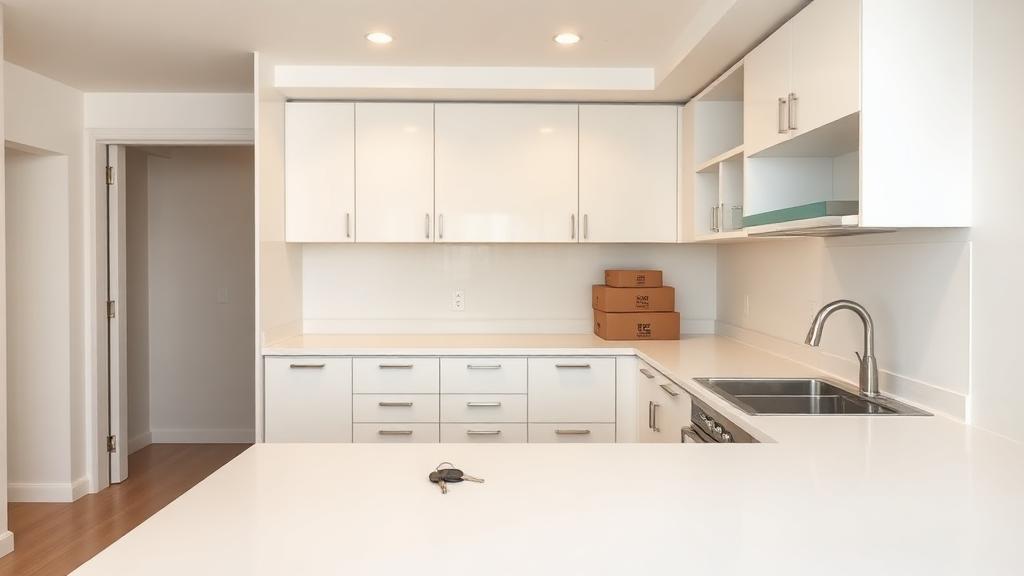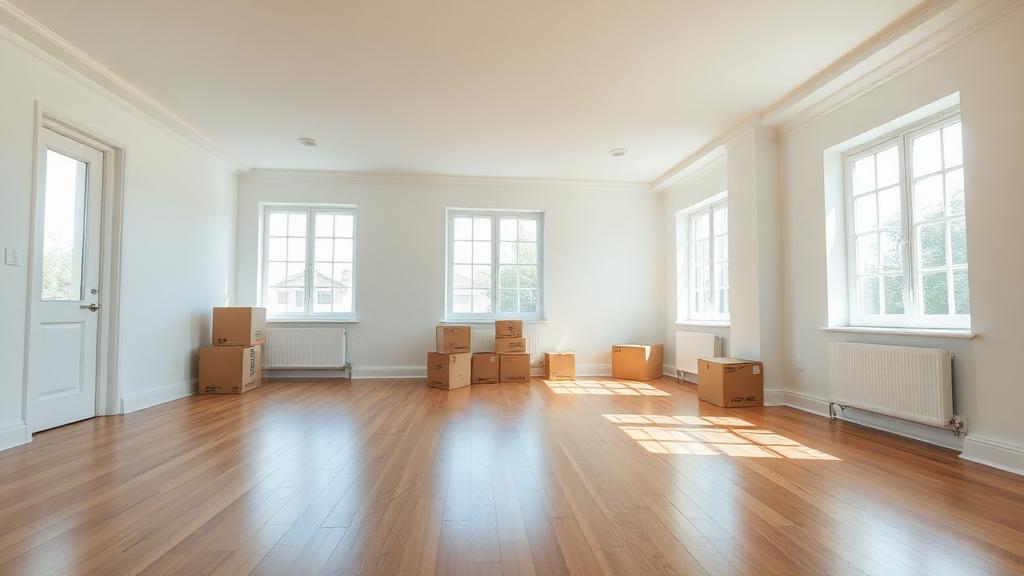
Security deposits are not lost to landlord unreasonableness. They are lost to three or four specific things landlords check on every move-out: the oven, the carpet, the bathroom grout, and wall marks. Photograph everything, hit those four hard, and you keep the deposit on almost every job.
This guide is the inspector's-eye view: what gets checked, in what order to clean it, and when paying $250–$500 for a professional move-in/move-out clean saves a $1,000–$2,000 deposit.
What's actually at stake
- Average security deposit: $1,000–$2,500
- Typical move-out clean cost: $250–$500
- Typical carpet deep-clean cost: $150–$300
- Typical deduction for a dirty oven alone: $75–$150
A $300 cleaning to protect a $1,500 deposit is rational on every margin.
The seven things landlords actually check
In rough order of how often they cause deductions:
- Oven interior. Almost universally checked. Even one greasy panel triggers a deduction.
- Carpet — visible stains, traffic lanes, pet odour. Professional extraction is usually expected for any lease over one year.
- Bathroom grout, tub, and behind the toilet. Mildew and soap scum here are dollar-for-dollar deductions.
- Refrigerator interior, gaskets, drip pan.
- Wall marks, scuffs, and nail holes. Patch small holes (toothpaste works in a pinch, drywall spackle is correct). Paint scuffs around switches.
- Blinds and window tracks. Track dust shows immediately.
- Floor edges and baseboards. The 1-inch strip along every wall reveals whether a place was actually cleaned.
Document everything you clean with timestamped photos. If a charge appears anyway, the photos are your evidence.
The clean-in-order sequence
The right order makes a 12-hour DIY into 8 hours and prevents re-cleaning:
- Empty completely — every closet, drawer, cabinet, garage corner
- Top-down — ceiling fans, light fixtures, top of cabinets, walls
- Kitchen first, bathrooms second — the highest-deduction rooms get focus when energy is highest
- Floors last — anything dropped during cleaning lands on a floor you have not done yet
Move-out checklist by room
Kitchen (allow 2–3 hours)
Appliances
- [ ] Oven interior, racks, and broiler pan (often a professional-only task for the level expected)
- [ ] Stovetop, grates, drip pans, knobs
- [ ] Range hood — exterior, underside, filter (dishwasher works)
- [ ] Refrigerator — empty, wipe interior, gaskets, drawers, top, coils
- [ ] Freezer — defrost fully, wipe, leave open until dry
- [ ] Microwave — interior and exterior
- [ ] Dishwasher — filter, gasket, run empty hot cycle
Surfaces and storage
- [ ] Countertops degreased and polished
- [ ] Cabinet fronts and handles
- [ ] Inside every cabinet and drawer (empty + wipe)
- [ ] Backsplash
- [ ] Sink scrubbed, faucet polished, disposal flushed
General
- [ ] Light fixtures and ceiling fan
- [ ] Switch plates and outlet covers
- [ ] Wall spot-cleaning
- [ ] Window glass and track
- [ ] Baseboards
- [ ] Floor mopped to the wall edges
Bathroom (45–75 minutes per bathroom)
- [ ] Toilet — bowl, tank, exterior, behind, base
- [ ] Tub/shower — descaled, grout scrubbed
- [ ] Shower doors or curtain rod
- [ ] Vanity, sink, faucet polished
- [ ] Mirror streak-free
- [ ] Medicine cabinet emptied + wiped
- [ ] Exhaust fan cover removed, vacuumed, cleaned
- [ ] Floor mopped to wall edges
- [ ] Baseboards
- [ ] Towel bars and toilet paper holder
Bedrooms
- [ ] Closet emptied; shelves, rod, and floor cleaned
- [ ] Ceiling fan blades
- [ ] Wall marks removed (Magic Eraser on flat paint with care — can leave glossy spots)
- [ ] Outlet and switch plates
- [ ] Window glass and track
- [ ] Blinds (dust, then wipe each slat with a damp microfiber)
- [ ] Floor — vacuum, then mop hard surfaces
Living areas
- [ ] All surfaces dusted top-down
- [ ] Ceiling fans + light fixtures
- [ ] Window glass + track
- [ ] Fireplace + hearth
- [ ] Floor — vacuum, mop, edge with the vacuum hose
- [ ] Baseboards
- [ ] Wall marks, light switches, outlet covers
Frequently missed areas
- [ ] Inside every closet
- [ ] Garage swept; oil stains scrubbed
- [ ] Patio / balcony swept and washed
- [ ] Washer/dryer area; pull machines forward if accessible
- [ ] Utility closet floor and walls
- [ ] HVAC vent covers; replace filter
- [ ] Top of every door frame
- [ ] Doorbell button + porch light
- [ ] Under every sink (where leaks/mould hide)
What "broom clean" really means in a lease
Most leases require "broom clean condition" — this is a minimum, not a target.
- All personal items and trash removed
- Floors swept and mopped
- Surfaces wiped down
- Appliances visibly clean
- No excessive dirt or grime
"Broom clean" gets you 60–70% of the deposit back. To return all of it, you need to exceed the standard.
Move-in cleaning — before you carry a box inside
The right order at move-in is clean, then move in. Once boxes are on the floor and furniture is placed, the deep-clean opportunity is gone.
Day one, before anything else:
- Photograph the entire unit — every wall, every appliance, every existing mark, with timestamps on. Email yourself the photos.
- Document existing damage on the landlord's move-in checklist within the lease's reporting window (usually 7–14 days). Use email so it is dated.
- Then clean every surface, even if the previous tenant "cleaned." Their definition is not your definition.
Move-in clean priority list (4–6 hours for a 1-bedroom):
- [ ] Sanitise every kitchen surface, cabinet interior, appliance
- [ ] Scrub bathrooms completely — toilet, tub, shower, floor
- [ ] Floors — vacuum, then mop or hand-clean
- [ ] Wipe every light switch, doorknob, handle (high-touch surfaces)
- [ ] Wipe inside all closets
- [ ] Vacuum and replace HVAC vent filter
DIY vs. professional cost comparison
| Option | Cost | Time | Deposit return likelihood | |--------|------|------|---------------------------| | DIY (careful) | $50–$100 (supplies) | 8–16 hours | 70–90% | | DIY + pro carpet | $200–$400 | 10–14 hours | 80–95% | | Professional move-in/out service | $250–$600 | 3–4 hours (their time) | 90–100% | | Skipping the clean | $0 | 0 hours | 0–30% |
When the deposit is $1,500+ and you have a busy moving week, professional cleaning is almost always the right call. The pricing guide covers what to expect.
What a professional move-out clean includes
A typical move-in/out service covers:
- Every room cleaned top to bottom
- All appliance interiors and exteriors
- Full bathroom deep clean including grout
- Floor cleaning to wall edges
- Interior windows
- Cabinet and closet interiors
Usually billed separately as add-ons:
- Carpet steam cleaning / extraction
- Exterior windows
- Garage deep clean
- Wall washing
- Blind cleaning
Most reputable services offer a deposit-back guarantee — if the landlord flags an issue within a defined window, the cleaner returns. Ask before booking.
A two-week move-out timeline
2 weeks out
- Book the cleaning service (peak weeks fill 10–14 days ahead)
- Schedule carpet cleaning for the day after the move-out clean
- Buy supplies if DIY
1 week out
- Begin packing the rooms you use least
- Clean each room as you empty it
- Patch nail holes; touch up obvious paint scuffs
Two days out
- Final packing
- Cleaners arrive (if booked)
- Or: full DIY clean
Move-out day
- Final walkthrough with the landlord if possible
- Timestamped photos of every room, every appliance
- Return keys per the lease
- Email the landlord confirming hand-off
Common deposit-return mistakes
- Skipping the oven because "they'll just clean it." They will not. They will deduct for it.
- Leaving trash in the unit, including bags by the curb if pickup is after move-out.
- Not photographing before and after.
- Cleaning carpets yourself with a rented machine that under-extracts. The remaining moisture creates a worse smell than the original stain.
- Missing the reporting window for existing damage at move-in.
Hand it off
If your move-out timeline is tight, professional move-in/out cleaning is the fastest way to protect a deposit. Book the service, browse vetted cleaners, or read the FAQ. For a deeper read on what inspectors check, see the end-of-lease cleaning guide; for the post-move reset, the deep cleaning guide; and decluttering is worth a pass before packing.