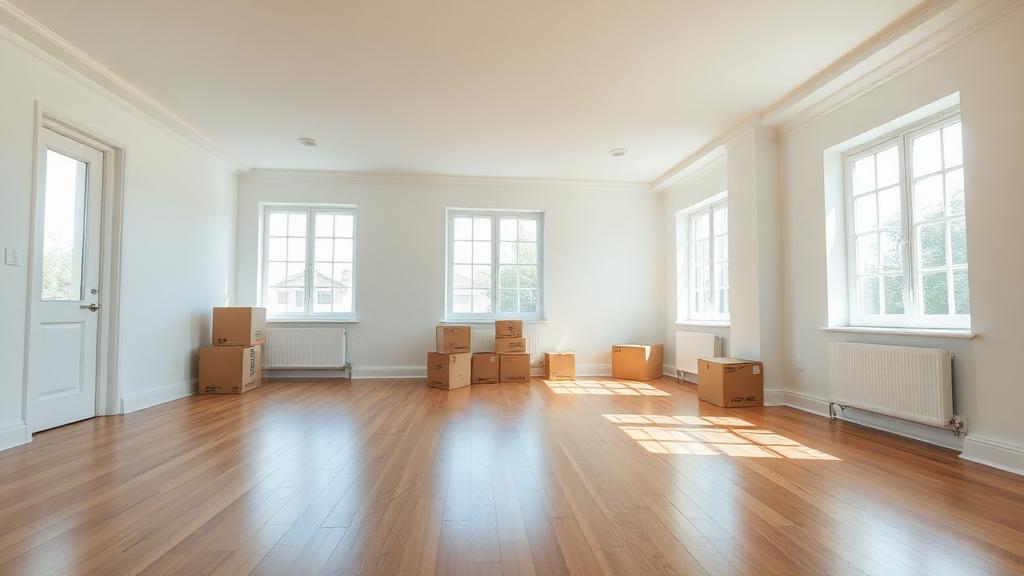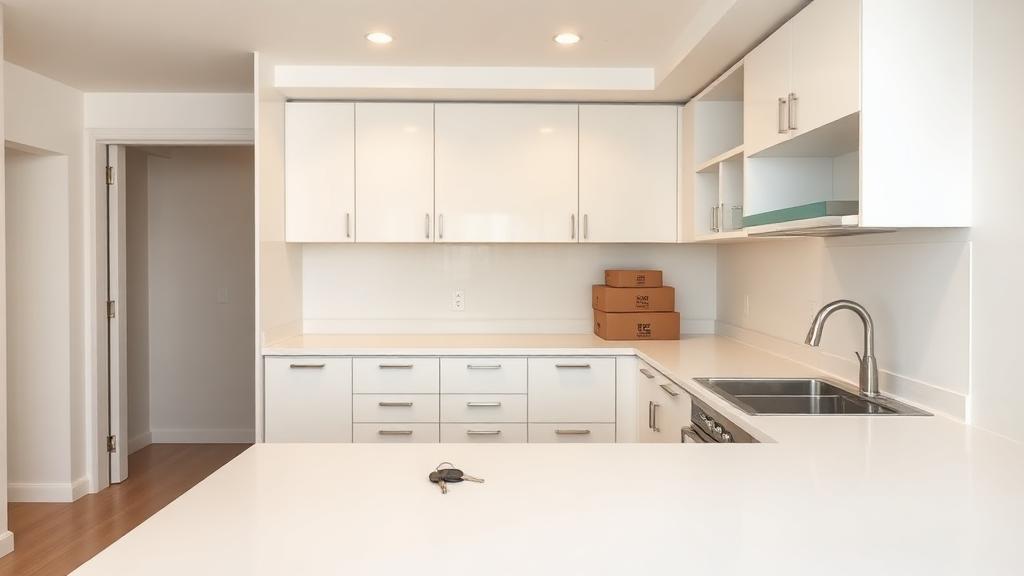
Moving out of a Dallas apartment has its own playbook. The metroplex rents differently than most markets: large professionally managed communities in Uptown, Victory Park, Las Colinas, and along the Legacy/Frisco corridor run standardized move-out inspections, often against the photo set and condition form from your move-in. That cuts both ways — deductions are more predictable than with a mom-and-pop landlord, and a renter who cleans against the same list the inspector uses keeps far more of their deposit.
This checklist covers what DFW inspections actually flag, the North Texas problem spots most renters miss, the Texas deposit rules worth knowing before your walk-through, and when it makes sense to book a move-out cleaning in Dallas instead of spending your moving weekend scrubbing.
What Texas law says about your deposit
A few basics from the Texas Property Code are worth knowing going in (this is general information, not legal advice):
- 30-day refund window. Your landlord must return your security deposit on or before the 30th day after you move out — provided you've given a forwarding address in writing.
- Itemized deductions. If anything is withheld, you're generally entitled to an itemized list describing each deduction.
- Normal wear and tear is not deductible. Texas law defines it as deterioration from ordinary use — faded paint, minor scuffs from furniture, carpet flattening in traffic lanes. A landlord can deduct for damage or excessive dirtiness, but not for a home that simply looks lived in.
- Bad-faith withholding has teeth. A landlord who keeps a deposit in bad faith can owe the tenant $100 plus three times the wrongfully withheld amount, plus attorney's fees.
Two practical implications: put your forwarding address in writing before you hand over keys, and photograph every room after the final clean. In big DFW communities the inspection is documented — your evidence should be too.
Why Dallas move-outs get flagged: the North Texas trio
Three regional conditions produce most of the "cleaning" deductions DFW renters see, and none of them are about tidiness:
1. Hard-water mineral buildup. North Texas tap water is on the hard side, and it shows — cloudy film on glass shower doors, white crust around faucet aerators, spotting on chrome. It doesn't come off with a regular wipe; it needs a limescale remover or vinegar dwell time. Inspectors notice shower glass instantly because it photographs badly.
2. Dust in the HVAC system. Air conditioning runs most of the year here, and between cedar season, ragweed season, and plain North Texas wind, return-air grilles and ceiling vents build a visible gray felt. A dusty return grille or a clogged filter is one of the most common line items on DFW move-out reports — and one of the fastest to fix. Vacuum the grilles, wipe the vent covers, and put in a clean filter if your lease made filters your responsibility.
3. Balcony and patio film. Outdoor surfaces collect a fine dust layer that turns to grime with any rain. If your unit has a balcony, sweep it, wipe the rails, and clear cobwebs from the corners — it's often part of the inspection sheet and almost nobody cleans it.
The room-by-room checklist
Work top-down in each room (dust falls), and leave floors for last.
Kitchen — where deposits are won or lost
- Oven interior, racks, and door glass — the single most-checked item in any move-out, Dallas included. Degrease fully; no carbon streaks on the glass.
- Range hood and filter — degrease the underside and the mesh filter.
- Refrigerator — empty, wipe every shelf and drawer, clean the gasket folds, and pull it forward to sweep behind if it's on rollers. Leave it plugged in unless the community says otherwise.
- Dishwasher — run a cleaning cycle and clear the bottom filter of debris.
- Cabinets and drawers — empty, crumb-free, wiped inside; grease film off the doors above the stove.
- Sink and faucet — descale the faucet, shine the basin, clear the disposal splash guard.
- Counters and backsplash — degreased, including the outlet plates.
Bathrooms — hard water central
- Shower glass and tile — limescale remover on glass, grout brushed, no mildew in caulk lines.
- Toilet — bowl, base, behind the base, and the caulk ring.
- Faucets and fixtures — descaled and shined.
- Exhaust fan grille — vacuumed (it collects the same felt as the AC returns).
- Mirror and vanity — streak-free, drawers wiped.
Bedrooms and living areas
- Ceiling fans — every blade, both sides. Dallas units almost always have them and they're always checked.
- Blinds — slat by slat or with a duster; sun-baked dust sticks. Broken slats are a damage line, so note any that were broken at move-in.
- Baseboards and door frames — a wipe transforms an inspection photo.
- Walls — magic-eraser scuffs; don't repaint patches unless your lease requires it (color-matching failures cost more than they save).
- Windows and tracks — inside glass and the grit in the tracks.
- Carpet — vacuum thoroughly. If there are stains, spot-treat them; if your lease requires professional carpet cleaning, keep the receipt. Texas landlords generally can't deduct for routine carpet wear, but they can for stains and lease-required cleaning you skipped.
- Closets — empty, shelves wiped, floor vacuumed; hangers out.
Everywhere
- Vents, returns, and filters — see above; this is the DFW special.
- Light fixtures and switch plates — bug out of the globes, fingerprints off the plates.
- Nail holes — small holes are usually wear and tear; fill only if your lease says to.
- Trash — nothing left in the unit, the storage closet, or at the curb rules of your community (valet-trash buildings have their own move-out rules — check the portal).
Timing a DFW move-out clean
Dallas leases cluster around month-end, and summer (May–August) is peak season thanks to school calendars and corporate relocations. Practical consequences:
- Book cleaning 7–10 days ahead if your lease ends at month-end — the last weekend of the month is the crunch, and independent cleaners' calendars fill first there.
- Clean after the movers, not before. Furniture out, then the clean, then your photo pass. In high-rises, reserve the freight elevator early enough that the clean can happen after the load-out.
- Aim for a weekday final walk-through if your community offers scheduling — inspectors are less rushed, and you have daylight to re-check.
DIY or book it?
A full move-out clean of a one- or two-bedroom apartment is realistically 4–8 focused hours with supplies you may no longer own by moving day (your vacuum is in a truck). Booking a move-out cleaning through Sweeppa runs roughly $250–450 in Dallas depending on size and condition — providers on the marketplace set their own prices and you see the all-in quote before you confirm. Against a typical deposit of one month's rent, the math usually favors booking it if your schedule is tight or the unit needs real work. The cost guide breaks down what drives quotes up or down.
Sweeppa is a marketplace: you're booking a vetted, identity-verified independent cleaning professional working in your part of the metroplex, not a franchise crew. Cleaners set their own openings, so what you see at booking is real availability — on the west side of the metroplex, the same applies for a move-out clean in Fort Worth.
Your final hour in the unit
- Walk every room with your phone: wide shot plus close-ups of the oven, shower glass, vents, and carpet.
- Photograph the utility meters if you're closing accounts.
- Confirm your forwarding address is on file in writing.
- Hand over every key, fob, gate remote, and parking tag — unreturned fobs are a standard deduction.
- Save your cleaning receipt (and carpet receipt, if the lease required it) with the photos, in one folder, for 60 days.
For the general end-of-lease strategy — what inspectors check nationwide and how deductions are argued — see the end-of-lease deposit guide and the broader move-in/move-out cleaning guide. And if you're settling into a new place across the metroplex, cleaners on Sweeppa in Dallas handle move-in cleans too — the checklist above works in reverse.