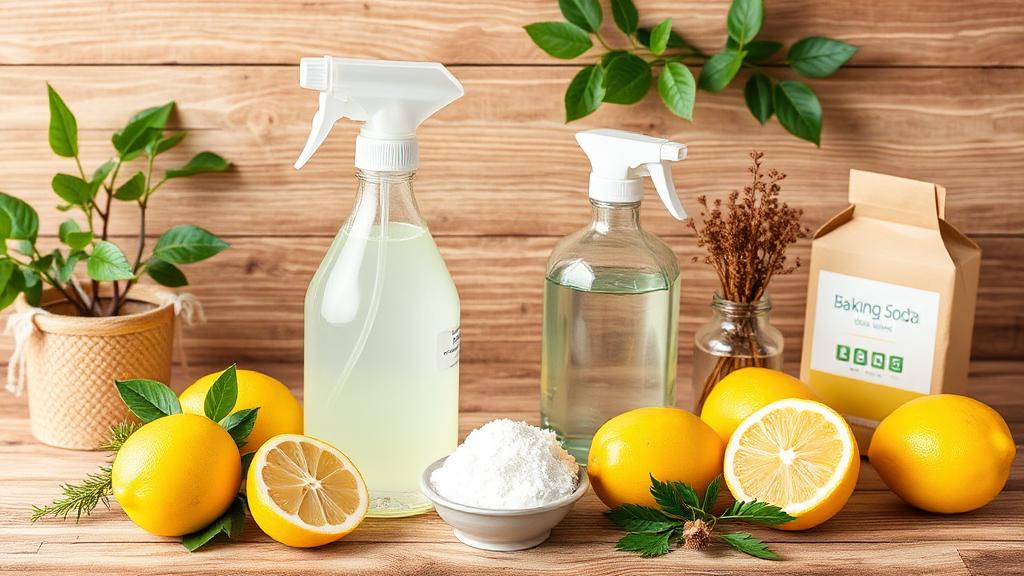
"Eco-friendly" on the front of a bottle is a marketing decision, not a regulatory one. Real green cleaning is a small set of habits: a few certifications you can trust, a short list of ingredients to refuse, and four DIY recipes that match commercial performance for a fraction of the price.
This guide skips the lifestyle framing and gives you the working list.
What "eco-friendly" should actually mean
A genuinely safer cleaning product clears at least one of:
- EPA Safer Choice — formula evaluated against a list of hazardous ingredients
- Green Seal — independent certification across ingredient, packaging, and labour standards
- EWG Verified — Environmental Working Group's standard
- USDA Certified Biobased — verified percentage of plant-derived ingredients
If a product makes green claims but carries none of these, it is unverified marketing. "Plant-based," "natural," "non-toxic," and "biodegradable" are all unregulated terms.
The ingredients worth refusing
Whatever you keep under the sink, these six are the ones that cause the most respiratory, endocrine, and environmental harm — and that genuinely safer alternatives exist for:
- Phthalates — fragrance carriers; endocrine disruption
- Triclosan — antibacterial; environmental persistence, microbe resistance
- Quaternary ammonium compounds (QUATS) — disinfectants; respiratory irritation
- 2-Butoxyethanol — glass and degreaser solvent; liver/kidney toxin
- Ammonia — strong respiratory irritant; lethal in combination with bleach
- Chlorine bleach — required for some sanitising tasks but should not be daily
You will see these listed as "fragrance" (which can include phthalates), "antibacterial agent," "ethers," and similar generic terms. Brands with the certifications above name ingredients specifically.
Four DIY recipes that actually replace commercial cleaners
These are the recipes that match commercial performance for typical home tasks. Each is cheap, simple, and uses ingredients sold in most grocery stores.
All-purpose surface cleaner
- 1 cup distilled water
- 1 cup white vinegar
- 15 drops lemon, lavender, or tea-tree essential oil (optional)
Spray bottle. Good on sealed counters, painted walls, plastic, and chrome. Skip on natural stone (marble, granite, travertine) — vinegar etches the surface.
Streak-free glass cleaner
- 2 cups water
- ½ cup white vinegar
- ¼ cup rubbing alcohol (70%+)
Spray on the surface, wipe with microfiber. The alcohol speeds evaporation so you do not get streaks.
Bathroom soft scrub
- 1 cup baking soda
- ¼ cup liquid castile soap
- 10 drops tea-tree oil
Mix into a paste. Use on tubs, tile, sinks, and stainless. Rinse fully. Lasts ~2 weeks in a sealed container.
Wood-furniture polish
- ¼ cup olive oil
- ¼ cup white vinegar
- 10 drops lemon essential oil (optional)
Shake before use. Apply with a soft cloth, buff dry. Skips the silicone residue most commercial polishes leave.
Commercial brands worth buying
If DIY is not for you, these brands carry the certifications and disclose ingredients honestly.
Reliable across categories:
- Seventh Generation — wide range, Safer Choice on most products
- Method — strong on dishwashing and surfaces
- Ecover — European, strong on laundry
- Mrs. Meyer's — plant-derived, fragrance-led
Budget-friendly without compromise:
- Better Life
- ECOS
- Biokleen
Premium (concentrate / refill systems):
- Branch Basics — single concentrate, multiple uses
- Blueland — refillable tablets, near-zero plastic
- Grove Collaborative — subscription model, mixed catalog
Pricing varies; concentrates and tablet systems are usually cheaper per use after the first purchase.
The tools matter as much as the chemicals
You can reduce 80% of cleaning waste by replacing single-use with reusable:
- Microfiber cloths — 50¢ replacement for a $0.05 paper towel; lasts hundreds of washes
- Swedish dishcloths — one cloth replaces 17 rolls of paper towel; compostable
- Bamboo dish brushes — biodegradable
- Refillable spray bottles — reuse for the DIY recipes above
- Natural cellulose sponges — compost when worn out
- Wool dryer balls — replace dryer sheets entirely
Room-by-room green swaps
Kitchen
- Oven: baking-soda paste + vinegar (see appliance guide)
- Counters: all-purpose recipe above (skip on stone)
- Disposal: lemon halves + ice cubes
- Stainless: drop of olive oil on a microfiber, buff grain direction
Bathroom
- Mildew: hydrogen peroxide (3%) sprayed on, left 10 minutes
- Grout: baking-soda + peroxide paste (see bathroom techniques)
- General: castile soap diluted with water
- Air freshening: open the window; essential-oil diffuser if needed
Laundry
- Detergent: any plant-based, Safer Choice certified
- Fabric softener: ½ cup white vinegar in the rinse
- Whitening: oxygen-bleach instead of chlorine
- Drying: wool dryer balls, air-dry when possible
How to transition without losing your mind
You do not need to throw out everything in the cabinet tomorrow.
- Replace as you run out. The most sustainable product is the one already in your house.
- Read the ingredient list, not the front label. Front-label claims are marketing; back-label ingredients are factual.
- Start with the recipes you use most. All-purpose and glass cleaner are 70% of household use.
- Accept that some products work differently. A vinegar-based cleaner needs a bit longer dwell time than a commercial spray. The result is the same.
Where pros fit
Most cleaning services will accommodate an eco-friendly preference if you ask at booking — Sweeppa pros bring their own supplies and will switch to your preferred products on request. Book a cleaning, note the eco preference at checkout, and a vetted pro handles the work.
Browse service areas or vetted cleaners. For more on the health and environmental side, see the green cleaning benefits post.