Bathrooms are the room where generic cleaning advice fails most often. Soap scum, hard-water scale, mildew, and grout discolouration each respond to different chemistry, and the difference between a five-minute clean and an hour of scrubbing is usually which compound you reach for.
The techniques below are organised by problem, not by surface. Each one names a specific solution, the right dwell time, and what to avoid. Together they cover everything a weekly bathroom clean leaves behind.
A safety note before anything else
Never mix bleach with vinegar, ammonia, or hydrogen peroxide. The reactions produce toxic gas. If you use bleach for a task, rinse the surface fully before introducing any acidic cleaner.
Ventilate. Open the window or run the exhaust fan throughout. Wear gloves for anything stronger than dish soap.
Soap scum and shower buildup
1. The Dawn + vinegar shower spray (most-tested DIY)
The most reliable DIY soap-scum cleaner because it combines a surfactant (dish soap) with a mild acid (vinegar):
- 1 cup white vinegar, heated 30 seconds in the microwave
- 1 cup blue Dawn dish soap
Mix in a spray bottle, apply to walls, doors, and floor, let dwell at least 30 minutes (longer for heavy buildup), then scrub with a non-scratch pad and rinse hot.
Skip the heating step if you have natural-stone tile (vinegar can etch marble and travertine — use a stone-safe cleaner instead).
2. Wet dryer sheet for glass doors
Sounds wrong, works. The softener residue dissolves a thin scum layer:
- Lightly wet a used dryer sheet
- Rub directly on glass doors or shower walls
- Wipe with a clean damp cloth, then squeegee
Best as a maintenance step between deeper cleans, not for serious buildup.
3. Squeegee after every shower
The single highest-leverage bathroom habit. A 20-second squeegee after each shower prevents 90% of buildup. Mount a squeegee inside the shower and the household actually uses it.
Hard-water scale
4. The showerhead bag-soak
Limescale clogs nozzles and shrinks the spray pattern. The fix:
- Fill a plastic bag with white vinegar (enough to submerge the head)
- Secure around the showerhead with a rubber band
- Soak overnight for heavy scale, 2 hours for light
- Remove, run hot water for 30 seconds, scrub remaining deposits with an old toothbrush
For metal-finish showerheads (oil-rubbed bronze, brass), limit soak to 30 minutes to avoid finish damage.
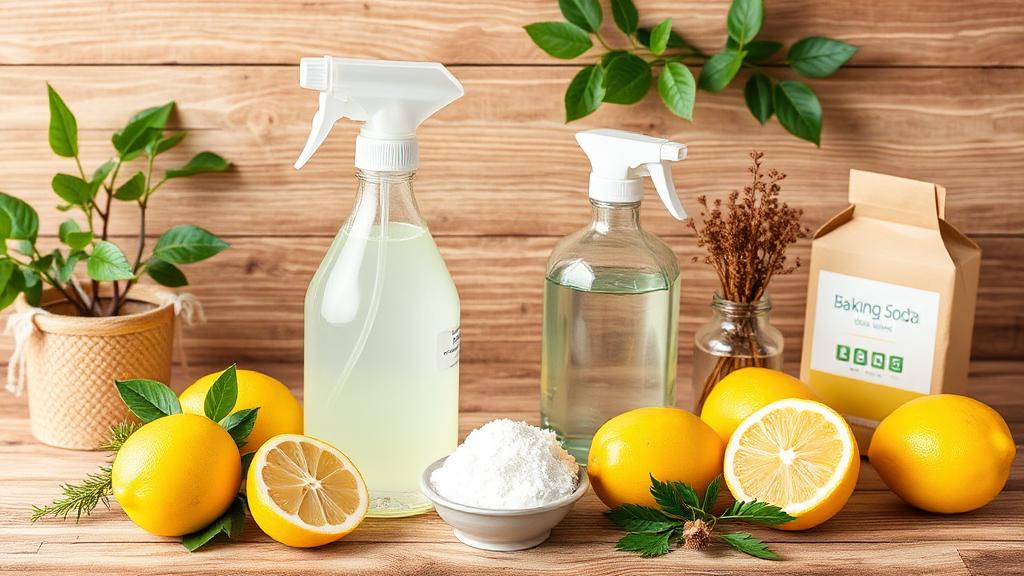
5. Lemon for chrome and faucets
Citric acid dissolves mineral deposits without harming chrome:
- Cut a lemon in half
- Rub directly on faucets, fixtures, and the base of the spout
- Leave 3–5 minutes
- Rinse and buff dry
Skip on brass and nickel finishes.
6. Toothpaste polish on chrome
White (non-gel) toothpaste is a mild abrasive that polishes water-spotted chrome:
- Small amount on a soft cloth
- Rub the fixture in small circles
- Buff dry with a clean cloth
Works on faucets, towel bars, and shower fixtures. Not for matte or finished metals.
Toilet cleaning
7. The overnight bowl reset
For weekly maintenance: regular bowl cleaner is fine. For build-up and stains:
- Pour 1 cup white vinegar into the bowl
- Add ½ cup baking soda; let fizz
- Leave overnight
- Scrub with a stiff brush in the morning, flush
8. Rust ring removal with cream of tartar
The mineral ring most people mistake for permanent damage:
- Drain the water from the bowl (turn off supply, flush)
- Make a paste of cream of tartar and a few drops of lemon juice
- Apply to the ring, let dwell 30 minutes
- Scrub with a pumice stick (safe on porcelain only — confirm before using)
9. The behind-the-toilet trick
The most-skipped square foot in any bathroom. Wrap a disinfecting wipe around a paint stir stick, secure with a rubber band, and reach the wall and floor behind the tank. Replace the wipe and do it again until clean.
Grout and tile
10. Baking-soda + hydrogen peroxide grout paste
The most reliable DIY grout whitener (no bleach):
- ¾ cup baking soda
- ¼ cup hydrogen peroxide (3%)
- 1 tablespoon dish soap
Mix into a paste, apply to grout lines with an old toothbrush, dwell 10–15 minutes, scrub, rinse. Re-apply for stubborn discolouration.
11. Cotton-ball bleach treatment for caulk mildew
When caulk lines around the tub or shower turn pink or black:
- Soak cotton balls in regular bleach
- Place along the caulk line
- Leave 4–6 hours (or overnight)
- Remove, rinse, dry
If discolouration persists, the caulk needs replacing — surface treatment will not save degraded caulk.
12. The streak-free tile floor mop
Most "streak-free" floor cleaners leave a residue. This mix doesn't:
- 1 gallon warm water
- ½ cup white vinegar
- 2 tablespoons dish soap
Mop as usual; no rinsing needed. Skip on natural stone.
Drain and odour control
13. Monthly drain maintenance
A 5-minute monthly habit that prevents hair clogs and tub odour:
- ½ cup baking soda down the drain
- ½ cup salt
- 1 cup white vinegar
- Let it fizz 15 minutes
- Flush with a full kettle of boiling water
Install drain hair catchers — they are the single highest-ROI bathroom purchase.
14. Exhaust fan dust removal
A clogged exhaust fan turns the bathroom into a mildew problem. Twice a year:
- Turn off power at the breaker
- Remove the cover (most twist or pull straight down)
- Soak the cover in warm soapy water
- Vacuum dust from the fan blades and motor housing
- Wipe blades with a damp cloth
- Let everything dry fully before reinstalling
15. Fog-resistant mirror trick
After cleaning the mirror, apply a thin layer of plain shaving cream, then wipe off completely with a dry microfiber. The residue prevents fog for 1–2 weeks. Best for the mirror you use right after a shower.
A bathroom cleaning frequency table
| Task | Frequency | |------|-----------| | Wipe counter, sink, and faucet | Daily | | Squeegee shower walls | After every shower | | Clean toilet | Weekly | | Scrub tub or shower | Weekly | | Wash bath mats | Bi-weekly | | Deep grout scrub | Monthly | | Descale showerhead | Quarterly | | Wash shower curtain | Monthly | | Clean exhaust fan | Twice a year |
The two-minute daily habit that replaces 60% of bathroom cleaning
- Squeegee the shower walls and door
- Wipe the faucet and counter with whatever microfiber is nearest
- Close the toilet lid before flushing (aerosol drift is real)
Three habits, two minutes, less to clean every weekend.
When the bathroom is past DIY
If grout is discoloured all the way through, caulk is peeling, or mildew is in the wall behind the tile, that is a remediation job, not a cleaning job. For a thorough reset before listing or renting, a deep clean covers everything in this guide in 60–90 minutes per bathroom; the deep cleaning walkthrough shows the full sequence.
Book a professional cleaning, browse vetted cleaners, or read the FAQ. For the cadence that maintains the reset, see how often to clean each room.