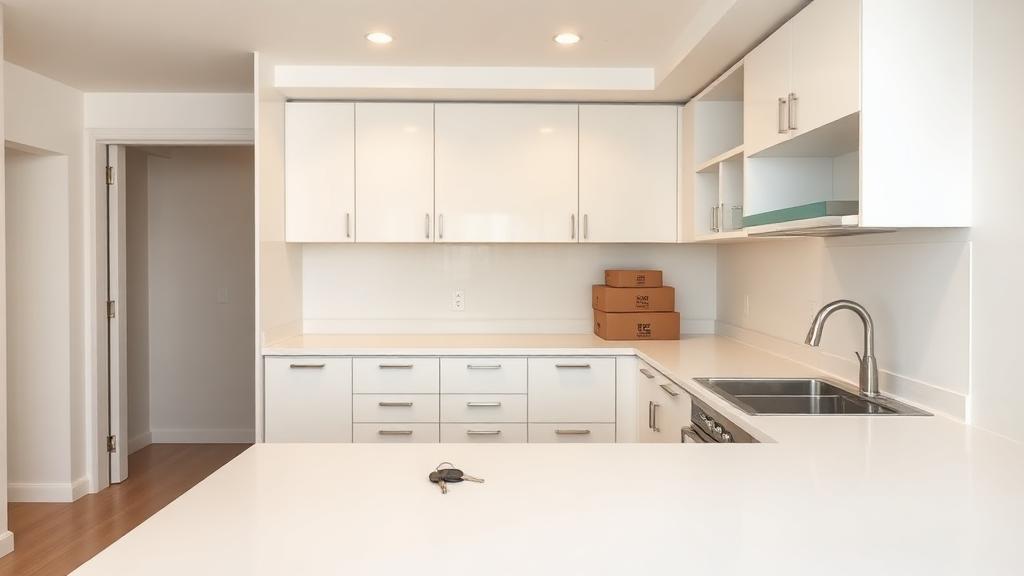
Running a short-term rental in the Dallas–Fort Worth metroplex is a calendar business. Arlington's Entertainment District fills on stadium weekends, downtown Dallas and Uptown move with conventions and corporate travel, and Fort Worth pulls steady leisure stays around the Stockyards and Cultural District. When the calendar spikes, every turnover is same-day — checkout at 11, check-in at 3 — and the clean is the difference between a five-star stay and a refund request.
This guide covers what a real turnover system looks like for DFW hosts: the reset checklist, the North Texas problem spots that show up in guest photos, how to schedule around event weekends, and how to decide between self-managing turnovers and booking an independent turnover cleaner through a marketplace like Sweeppa.
A turnover is a reset, not a clean
The mental shift that separates smooth operators from stressed ones: a turnover isn't "cleaning the unit," it's resetting the unit to a photographed standard. That means the work is defined by a checklist and a photo set, not by how dirty the last guest left it:
- Linens run as a system. Two (ideally three) full sets per bed, so the clean set goes on while the used set washes. Same for towels — count them like inventory, because guests do.
- Consumables have par levels. Toilet paper, paper towels, coffee, dish soap, trash bags — restocked to the same count every single time, checked off, never eyeballed.
- Staging is part of the job. Remote in the tray, chairs squared, welcome card out — the listing photos are the spec sheet, and the turnover puts every room back to spec.
- Every turnover doubles as an inspection. Damage scan, left-behind items, smoke smell, missing inventory — caught now while there's still a guest to bill, not three stays later.
The DFW-specific trouble spots
North Texas conditions leave fingerprints on short-term rentals that hosts stop noticing but guests photograph on day one:
Hard-water spotting. DFW tap water leaves mineral film on shower glass, chrome, and — the one hosts miss — drinking glasses. Cloudy glassware is a classic bad-review detail. Turnovers here need a limescale pass on bathroom glass and a hold-to-the-light check on the glassware shelf.
AC and dust. Air conditioning runs most of the year, and between cedar season, ragweed, and plain wind-blown dust, return grilles and ceiling-fan blades build visible gray felt fast. Guests sleep under those fans. A monthly deep pass on vents, fans, and filters keeps the "is this place clean?" first impression intact — and keeps the unit's air comfortable in a Texas summer.
Patio film. Balconies and patios collect a fine dust layer that turns grimy after any rain. If your listing photos show outdoor seating, the turnover has to include wiping it down — outdoor space is why many guests booked you over the hotel.
Scheduling around the DFW event calendar
- Know your spike weekends. Arlington hosts live on the stadium calendar; downtown Dallas hosts on conventions and concerts; Fort Worth on rodeo and Stockyards seasons. Mark them the moment they're announced — those are the weekends you cannot have a turnover fall through.
- Book turnover help before the spike, not during it. Independent cleaners' calendars fill the same way your listing does. If a big weekend is coming, get your turnovers on a pro's calendar as soon as the booking lands.
- Protect the 11-to-3 window. Same-day turnovers need a cleaner who confirms a start time, not a "sometime that afternoon." When you book through Sweeppa, providers set their own live openings — what you see at booking is a real slot, and turnover pricing in the metroplex typically runs $80–150 per reset depending on unit size.
- Have a backup plan for back-to-backs. A double turnover day is where self-managing hosts break. A standing relationship with one or two providers who know your unit beats scrambling in a group chat at noon.
Check your city's short-term rental rules
Dallas, Fort Worth, and Arlington each regulate short-term rentals differently — registration, zoning, and enforcement have all shifted in recent years and continue to evolve. Before investing in the operation, confirm your unit's current status with your city; a clean, compliant listing is the one that survives.
Self-manage or book a turnover pro?
Self-managing works while the calendar is thin. The math changes when stays stack up: a turnover is 1.5–3 focused hours, and a missed or rushed one costs a review — which costs bookings. Booking an independent turnover cleaner through Sweeppa in Arlington, Dallas, or Fort Worth puts the reset on a professional's checklist instead of your afternoon. You'll see the all-in price before you confirm, and because cleaners on the marketplace are independent professionals, you're building a working relationship with a person who learns your unit — not dispatching a different crew every week.
For the craft itself, the vacation-rental cleaning guide covers the room-by-room reset in detail, and the Superhost cleaning playbook covers the consistency systems that keep standards from drifting. If your rental doubles as a lease property between STR seasons, the Dallas apartment move-out checklist covers the deposit side of a unit hand-off.
The DFW turnover checklist, condensed
- Strip and remake every bed with the clean linen set; start the wash immediately.
- Bathroom reset: limescale pass on glass, fresh towels to count, consumables to par.
- Kitchen reset: dishes done and checked against inventory, glassware held to the light, fridge emptied of guest food, coffee restocked.
- Dust pass: ceiling fans, return grilles, sills — the North Texas special.
- Floors last, entry mat shaken, patio wiped if listed.
- Staging to the photo set, damage scan, door photo for the record.
- Lock up, report anything off to the host the same hour.
Whether you run the checklist yourself or hand it to a pro, the system is what guests feel. Book a vetted independent turnover cleaner on Sweeppa — or if you're a cleaner who wants turnover work on your own schedule, Airbnb cleaning jobs across DFW are open on the provider side.